Category: Commercial Kitchen
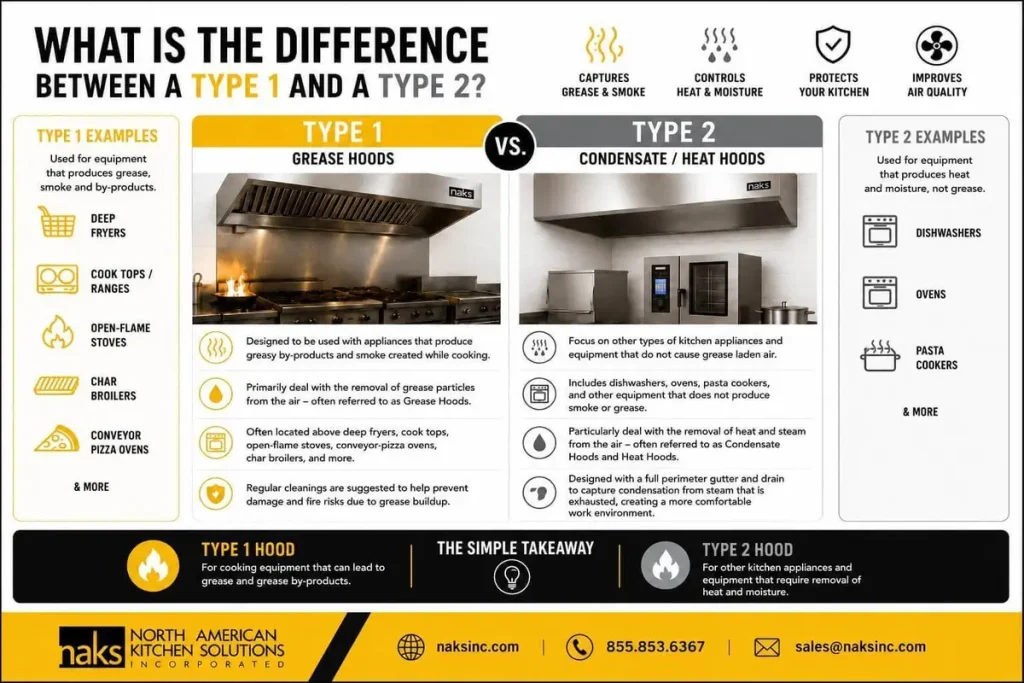
What is the Difference Between Type 1 vs. Type 2 Hoods?
Discover the difference between Type 1 and Type 2 commercial kitchen exhaust hoods from the experts at NAKS, Inc.. The Different Types of Kitchen Hoods and Their Uses When it comes to maintaining a safe and clean professional kitchen environment, proper ventilation is essential. Kitchen hoods play a crucial role in removing smoke, odors, grease-laden…


Type 1 vs. Type 2 Hood Classification: A Spec Sheet for Designers and Estimators
Misclassifying a hood at the estimating stage is one of the most expensive mistakes in commercial kitchen design, because it doesn’t surface until duct, fire suppression, and makeup air have already been ordered around the wrong assumption. Here’s how to get the classification right the first time, from the commercial kitchen ventilation experts at NAKS,…


Fire Suppression Inspection Cycles: What Contractors Need to Track for Every Account
If you’re a fire protection contractor managing accounts across a dozen kitchens or a hundred, inspection tracking isn’t a favor you do clients. It’s the backbone of your service revenue and your liability protection. In this guide from NAKS, we break down what NFPA 96 actually requires and how to build a tracking system that…
How CFM Is Calculated for UL 710 Listed Commercial Kitchen Exhaust Hoods
For resellers and installers specifying commercial kitchen ventilation, CFM calculation is the foundational variable that drives every downstream decision — fan selection, duct sizing, and makeup air system design. NAKS, Inc. Type 1 exhaust hoods are all UL 710 listed, which enables a defined, reduced CFM calculation method based on hood linear footage and equipment…

Type 1 vs. Type 2 Commercial Kitchen Hoods: What Installers and Designers Need to Know
Specifying the wrong hood type is one of the most consequential errors in a commercial kitchen design. Type 1 and Type 2 hoods are built for different exhaust loads, carry different construction and fire suppression requirements, and are not interchangeable. This post from the commercial kitchen ventilation experts at NAKS, Inc. covers the core differences,…
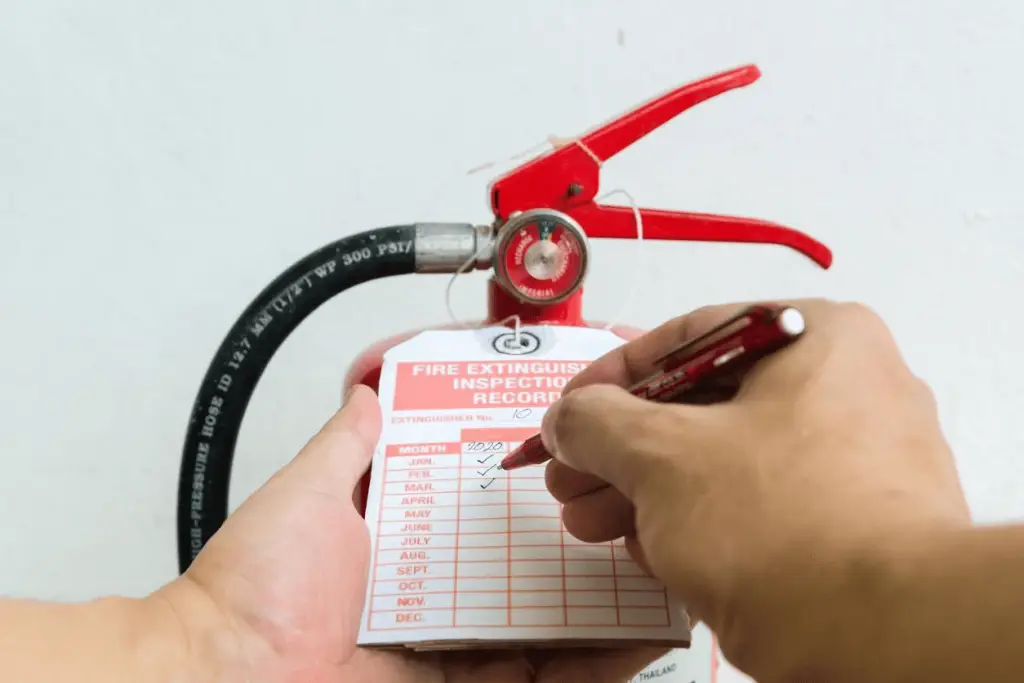
NFPA 96 Guide: Commercial Kitchen Safety & Compliance
Understanding NFPA 96 standards isn’t optional—it’s essential for keeping commercial kitchens safe, compliant, and operational. Whether you’re a contractor, installer, or reseller, knowing the latest NFPA 96 requirements can help you avoid costly mistakes and protect your clients. Here’s what you need to know, straight from the experts at NAKS, Inc. What Is NFPA 96?…


Troubleshooting Noisy Commercial Exhaust Hoods | NAKS, Inc.
Experiencing bothersome noise from your commercial exhaust hood? Learn effective troubleshooting steps and maintenance tips in this guide from NAKS, Inc.

Navigating Codes: Ensuring Compliance in Commercial Hood Selection
Here’s what you need to know, straight from the experts at NAKS, Inc. In a busy commercial kitchen, your hood system does more than manage smoke and grease; it plays a critical role in safety and code compliance. Understanding commercial kitchen hood requirements can feel overwhelming, but getting it right is essential for protecting your…
What Size Exhaust Fan Does Your Kitchen Need?
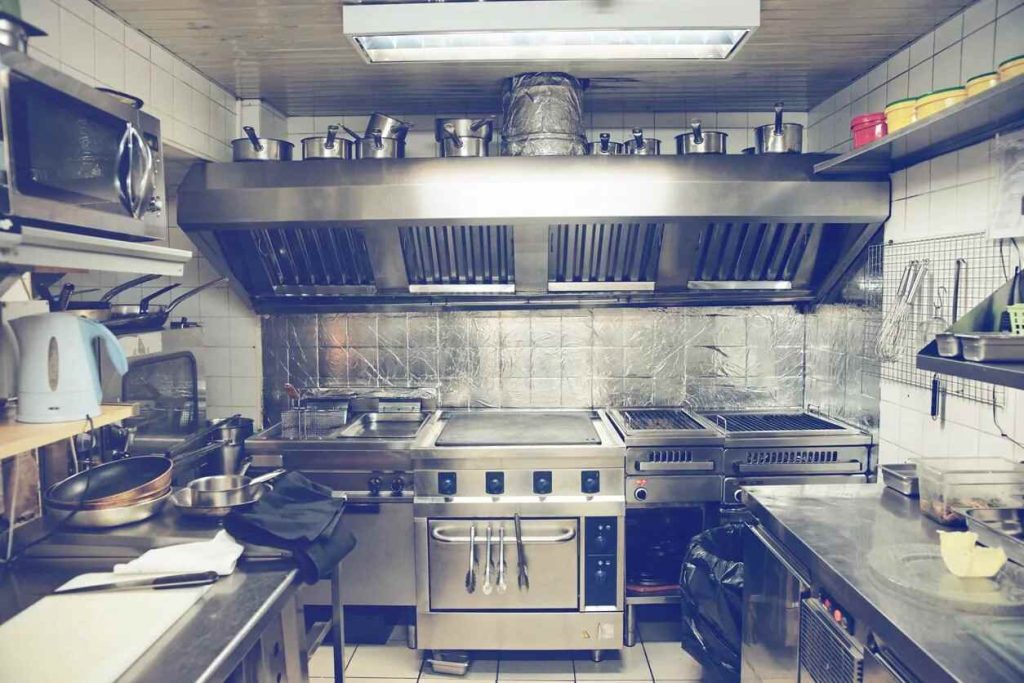
Choosing the right exhaust fan size isn’t just a technical detail—it directly impacts your kitchen’s safety, efficiency, and code compliance. Whether you’re installing a new system or upgrading an existing one, understanding CFM, hood size, and cooking requirements is key to selecting the right solution. This guide from the team at NAKS, Inc., breaks it…

The Benefits of Tempered or Heated Makeup Air Units
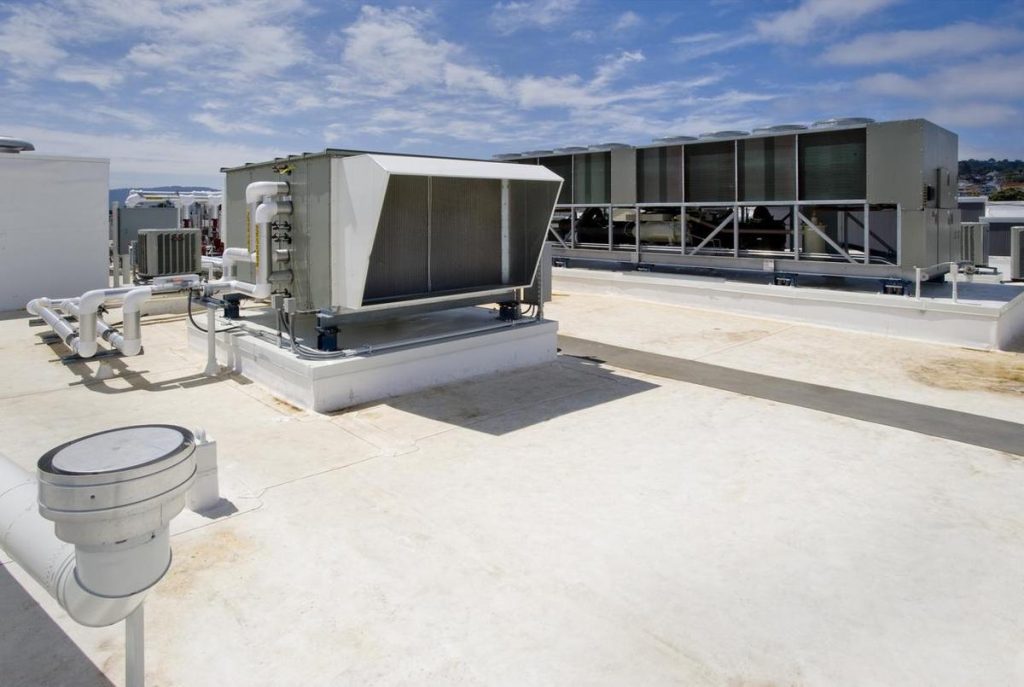
The Benefits of Tempered or Heated Makeup Air Units Proper airflow is critical in any commercial kitchen—but it’s often overlooked until problems start. From cold drafts to doors that won’t close properly, poor air balance can disrupt your entire operation. Here’s what you need to know, straight from the experts at NAKS, Inc., about makeup…